The short answer: if you rent, move often, or want to change your walls without a weekend of mess, peel-and-stick wins. If you own your home, want a wall to look identical for the next fifteen years, or you're covering a large room in one continuous pattern, traditional paste-the-wall wallpaper still has real advantages. Here's what actually differs between the two.
Installation: paste and tools vs. peel-and-stick
Traditional wallpaper needs paste (or pre-pasted rolls activated with water), various wallpaper tools, and usually a second pair of hands to hold the roll while you align it. Get the paste wrong — too wet, too dry, uneven — and you get bubbles or lifting seams that show up weeks later. It's a skill, and a first attempt often looks like a first attempt.
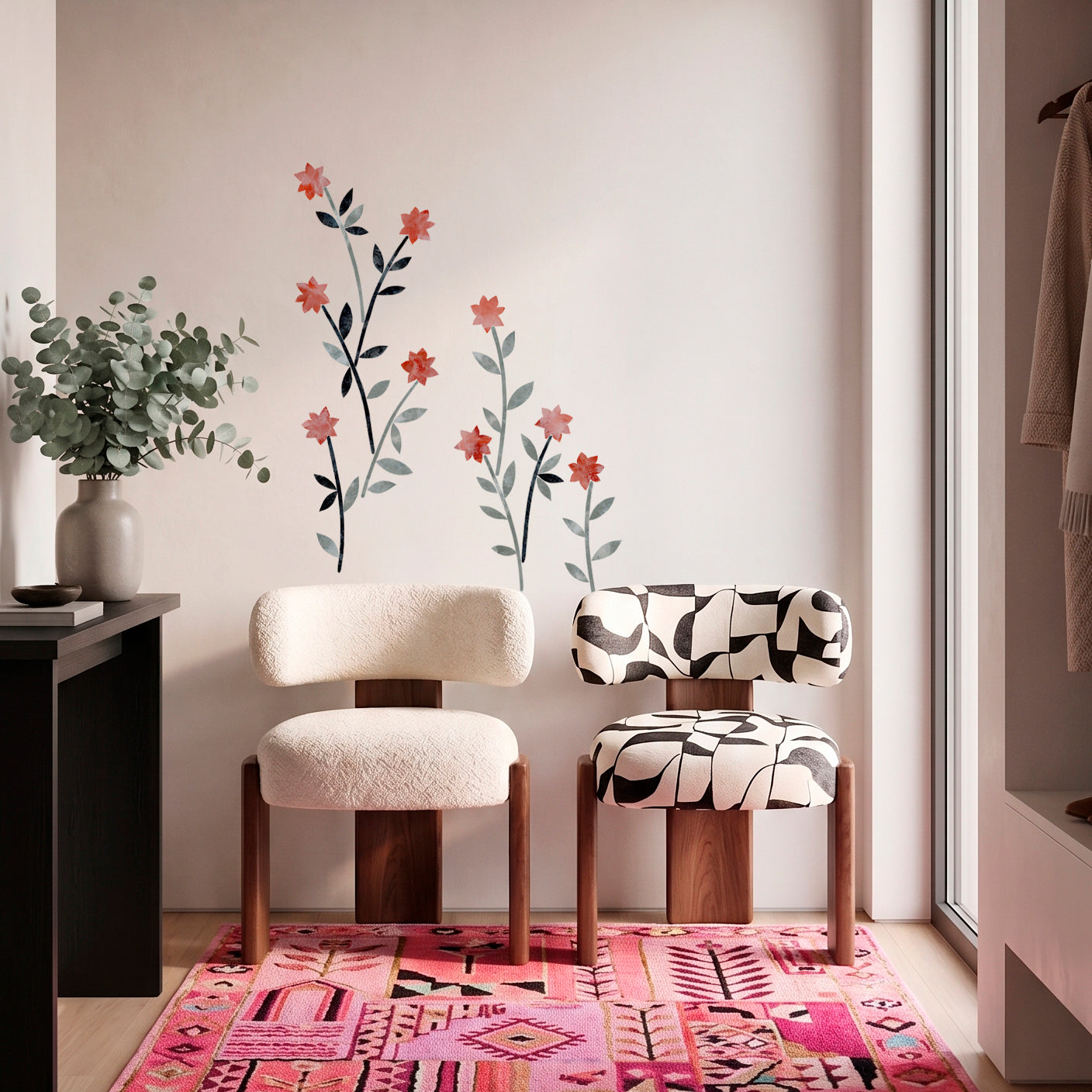
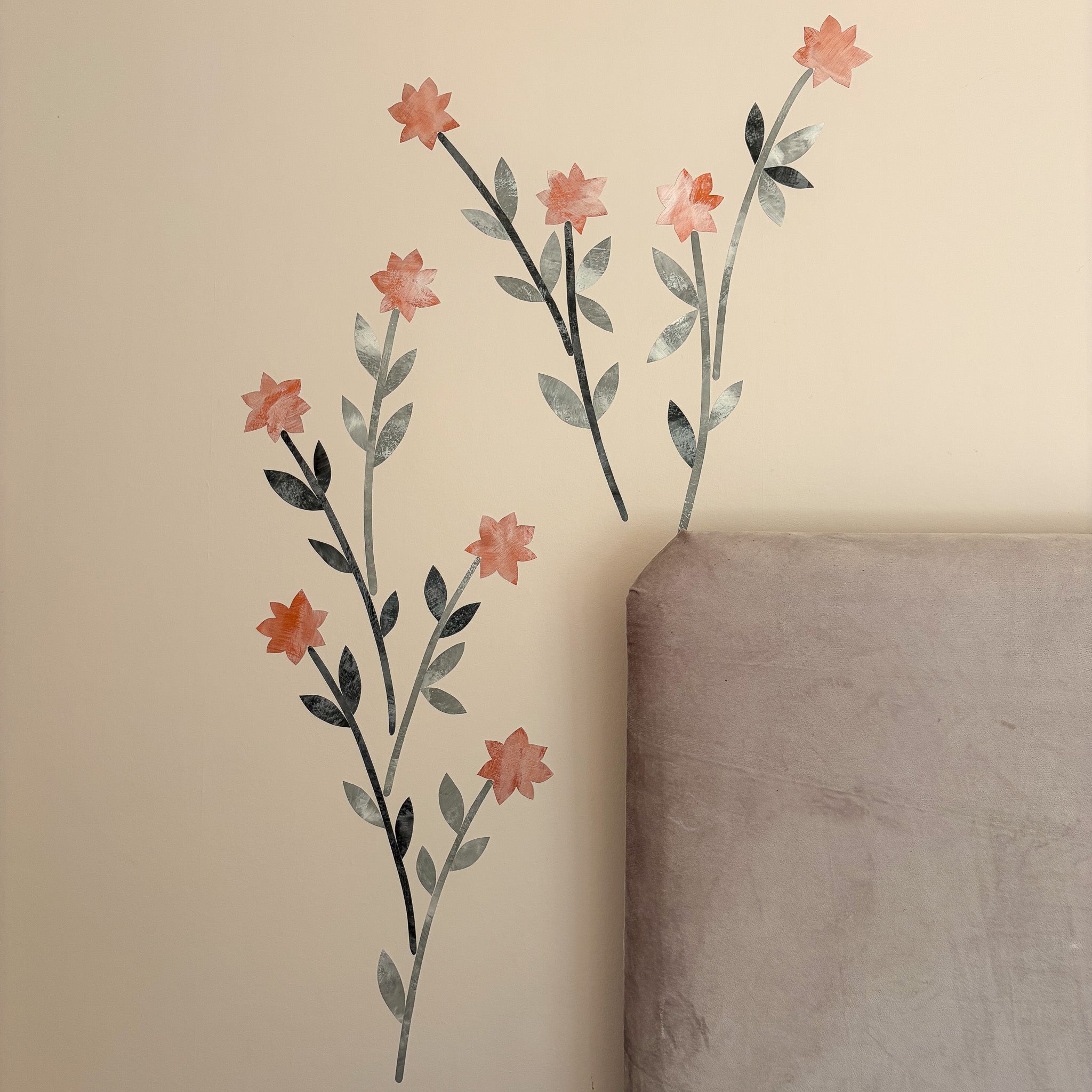
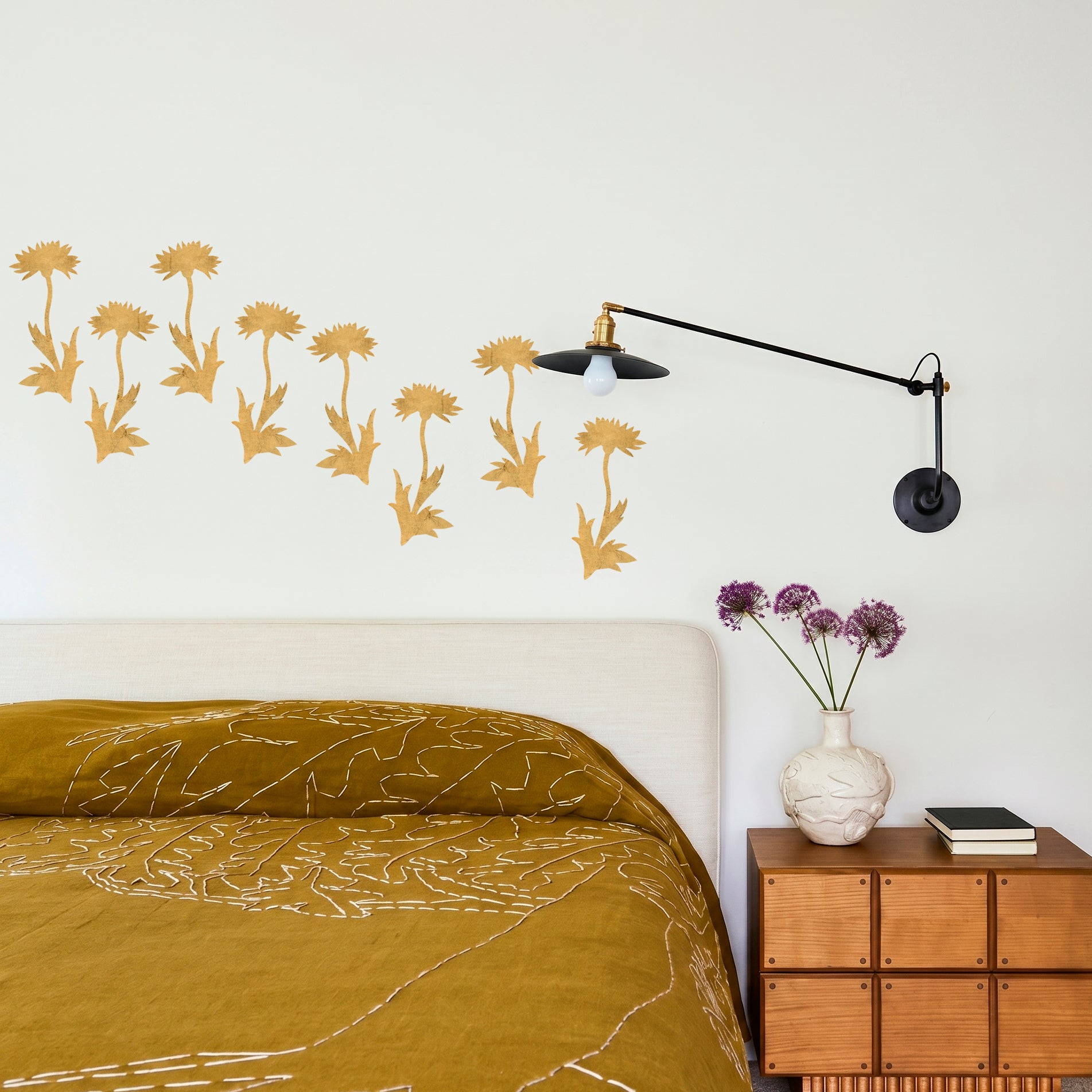
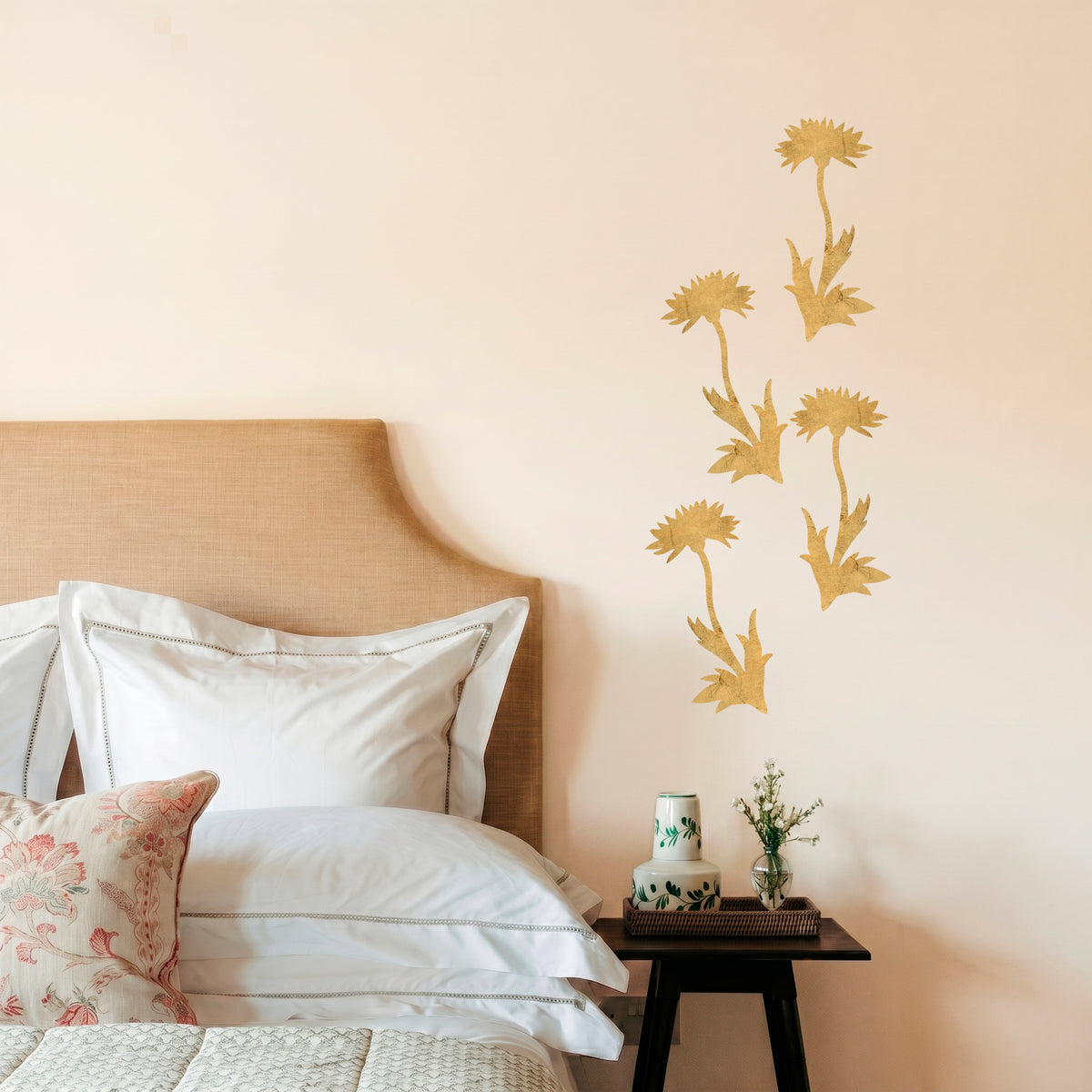
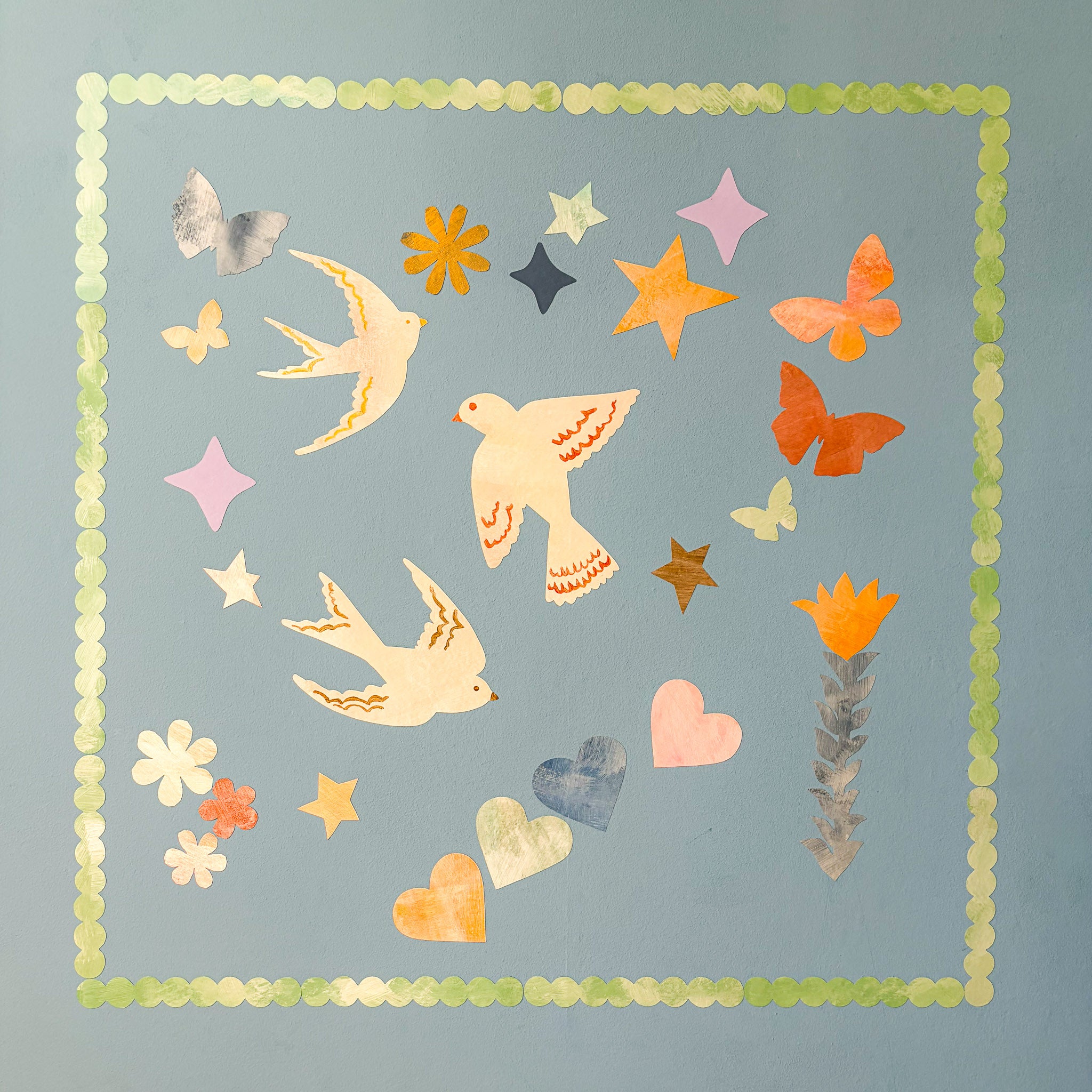
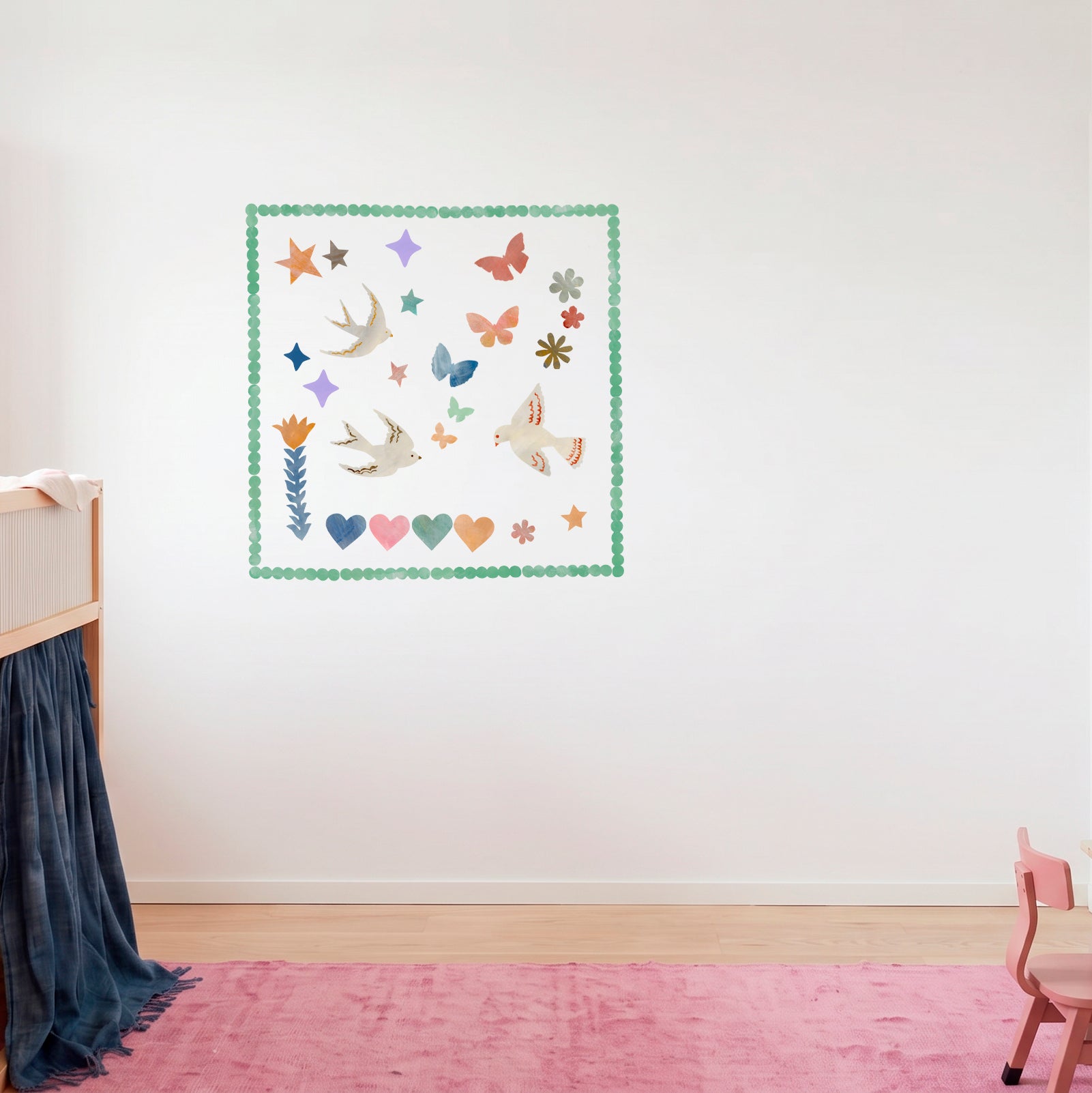
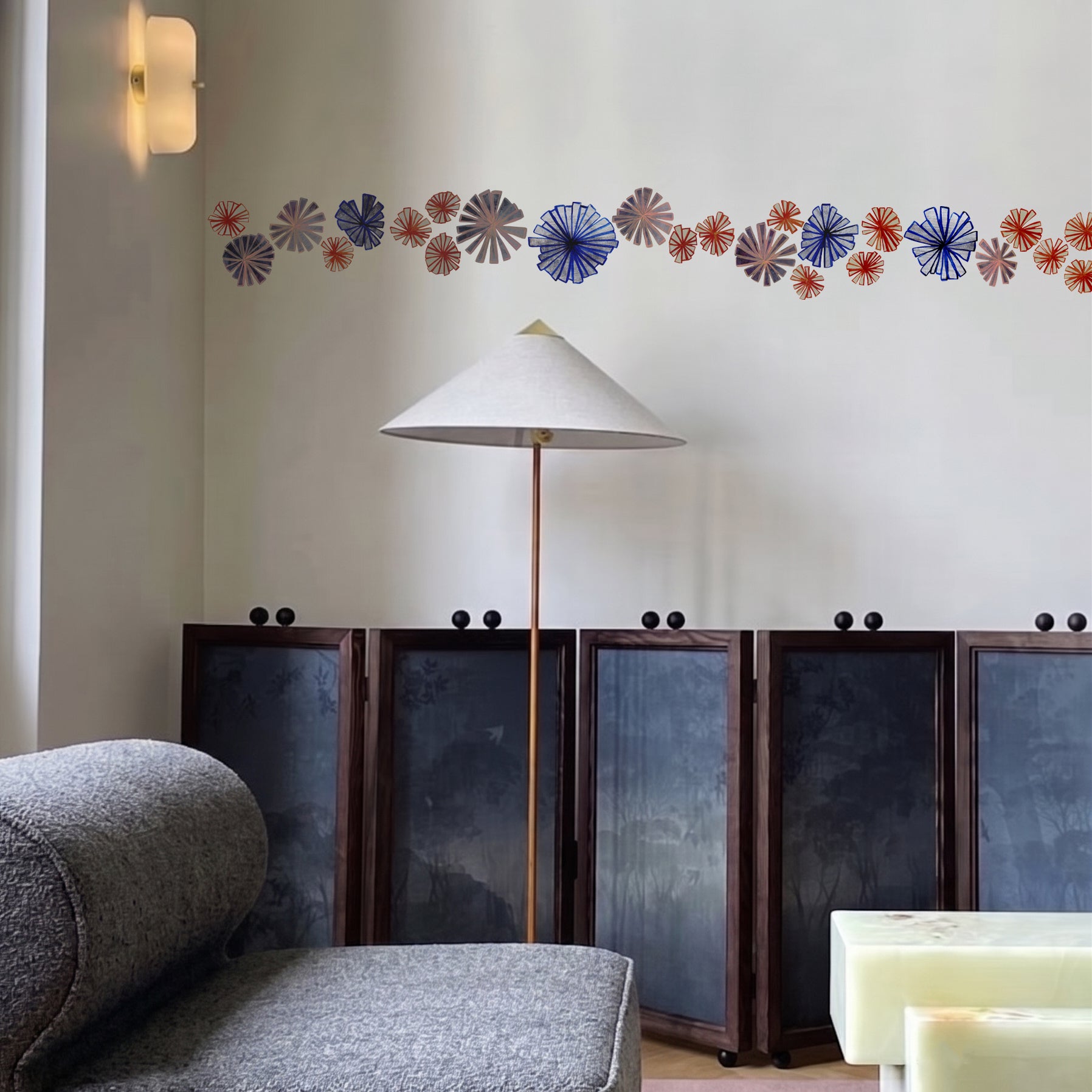
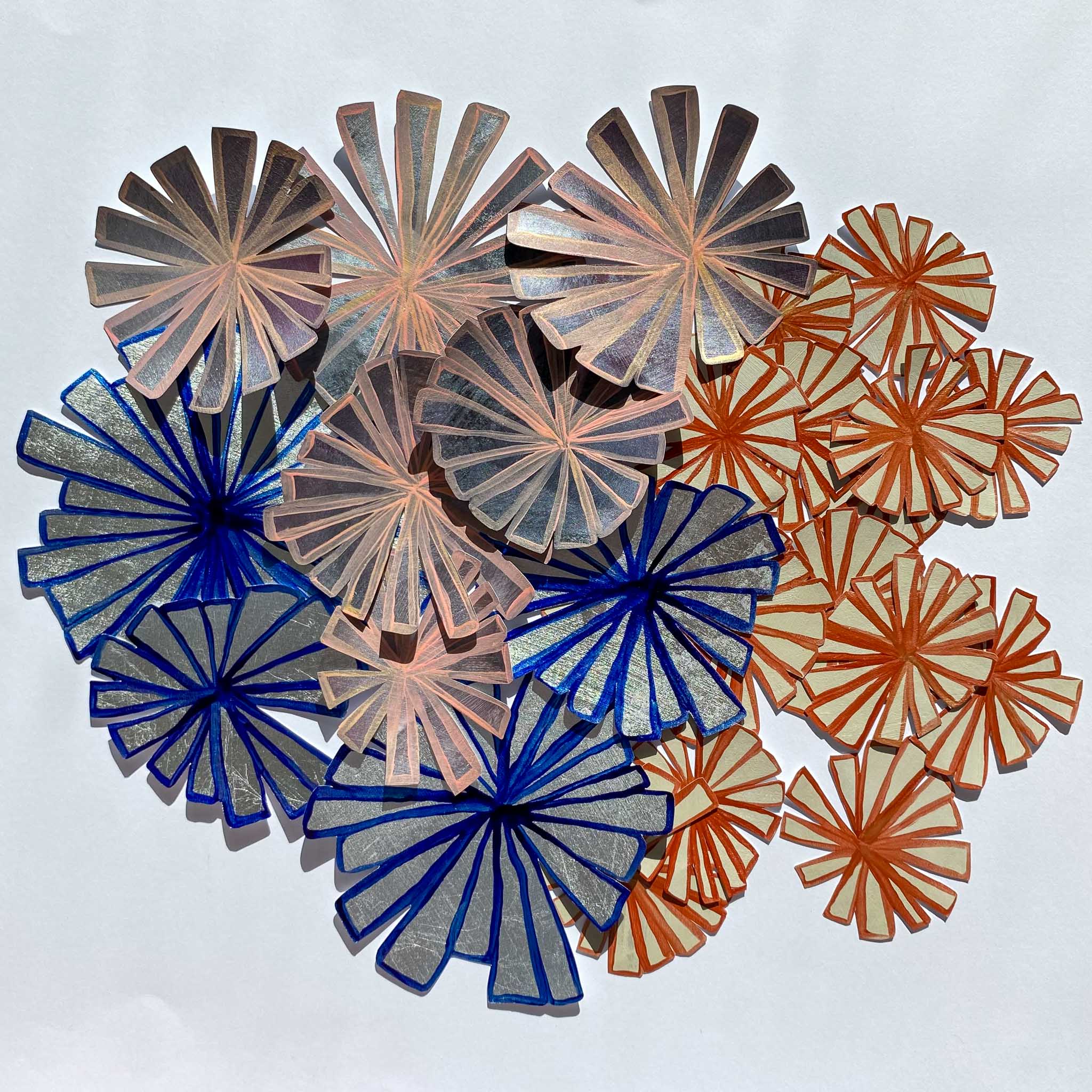
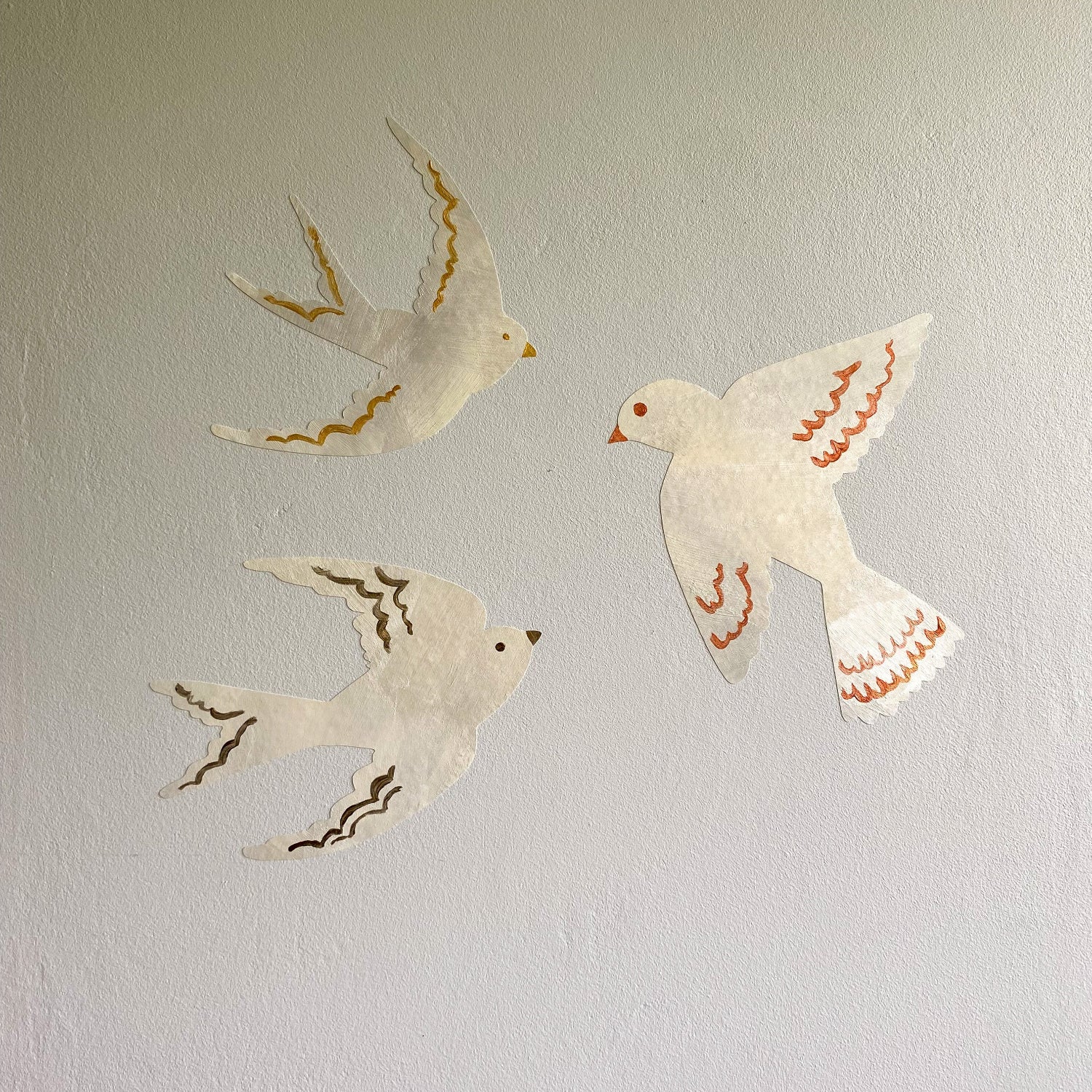
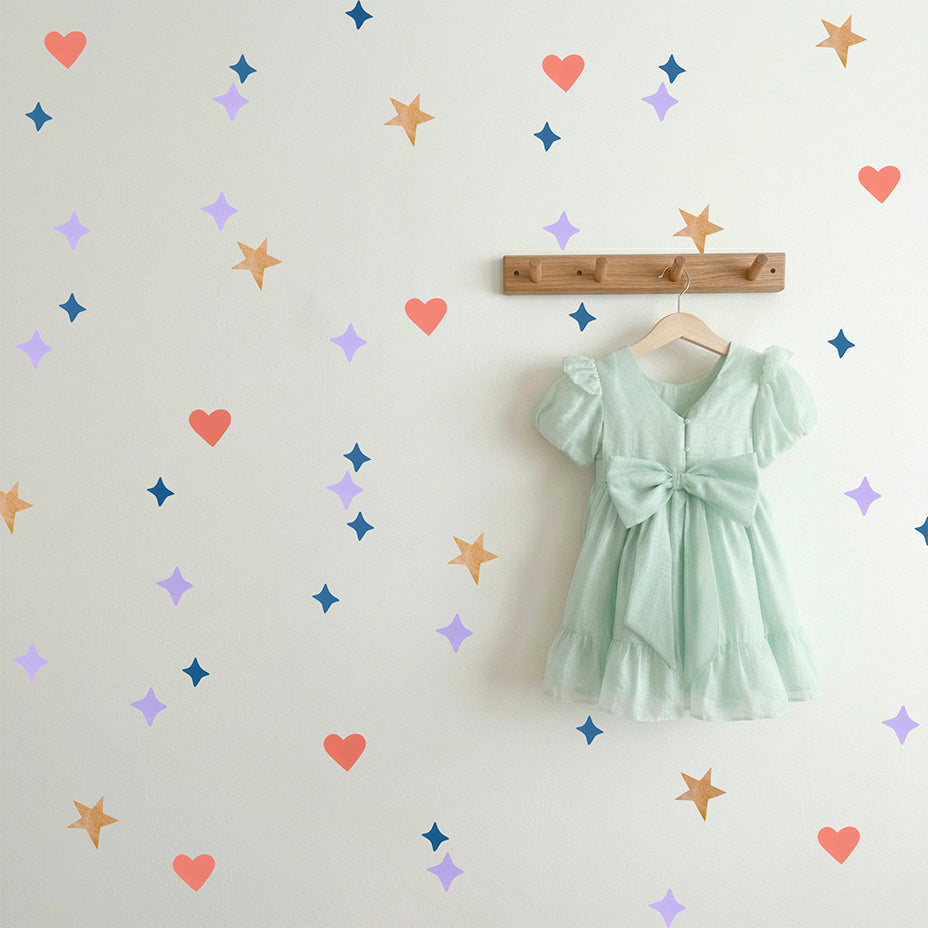
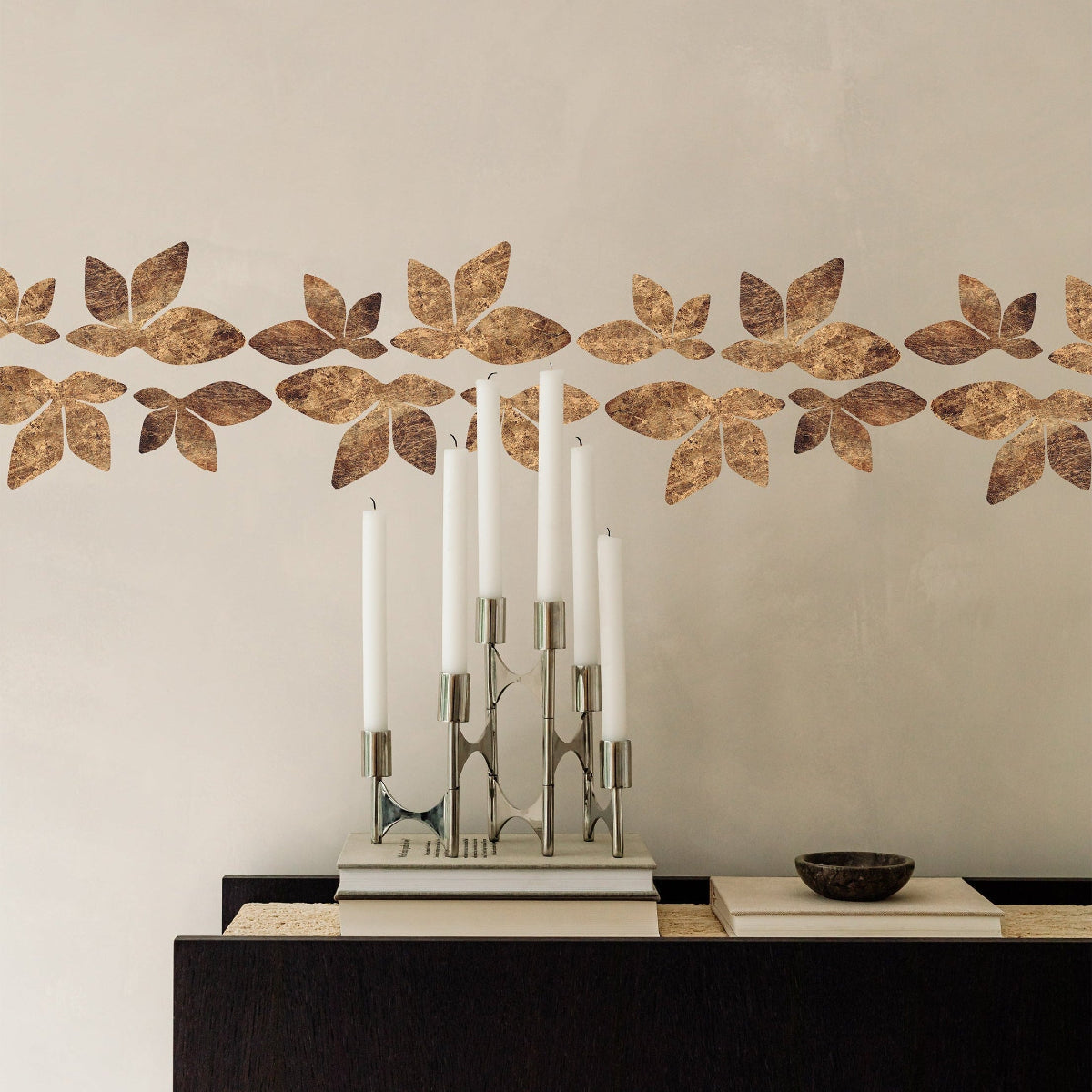
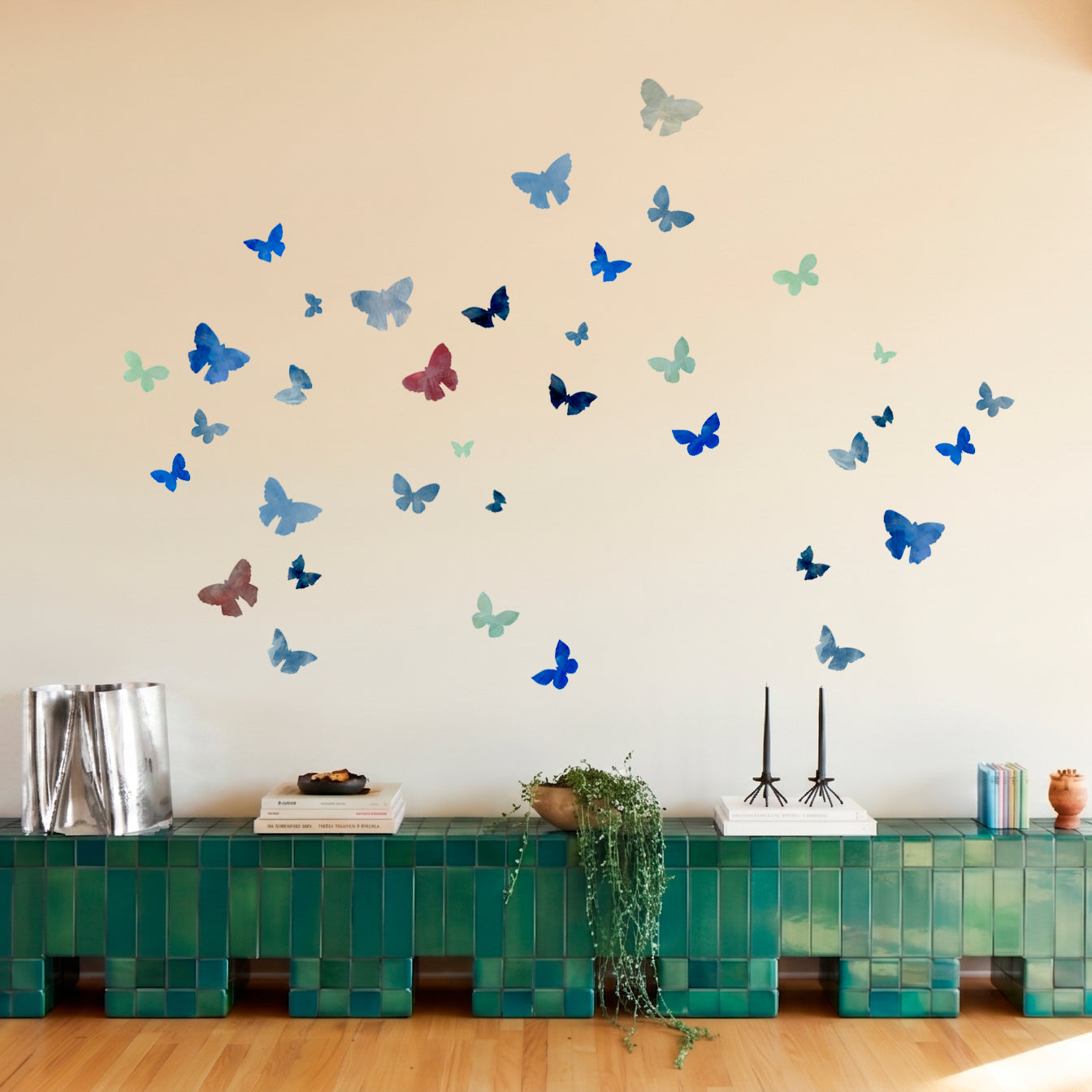
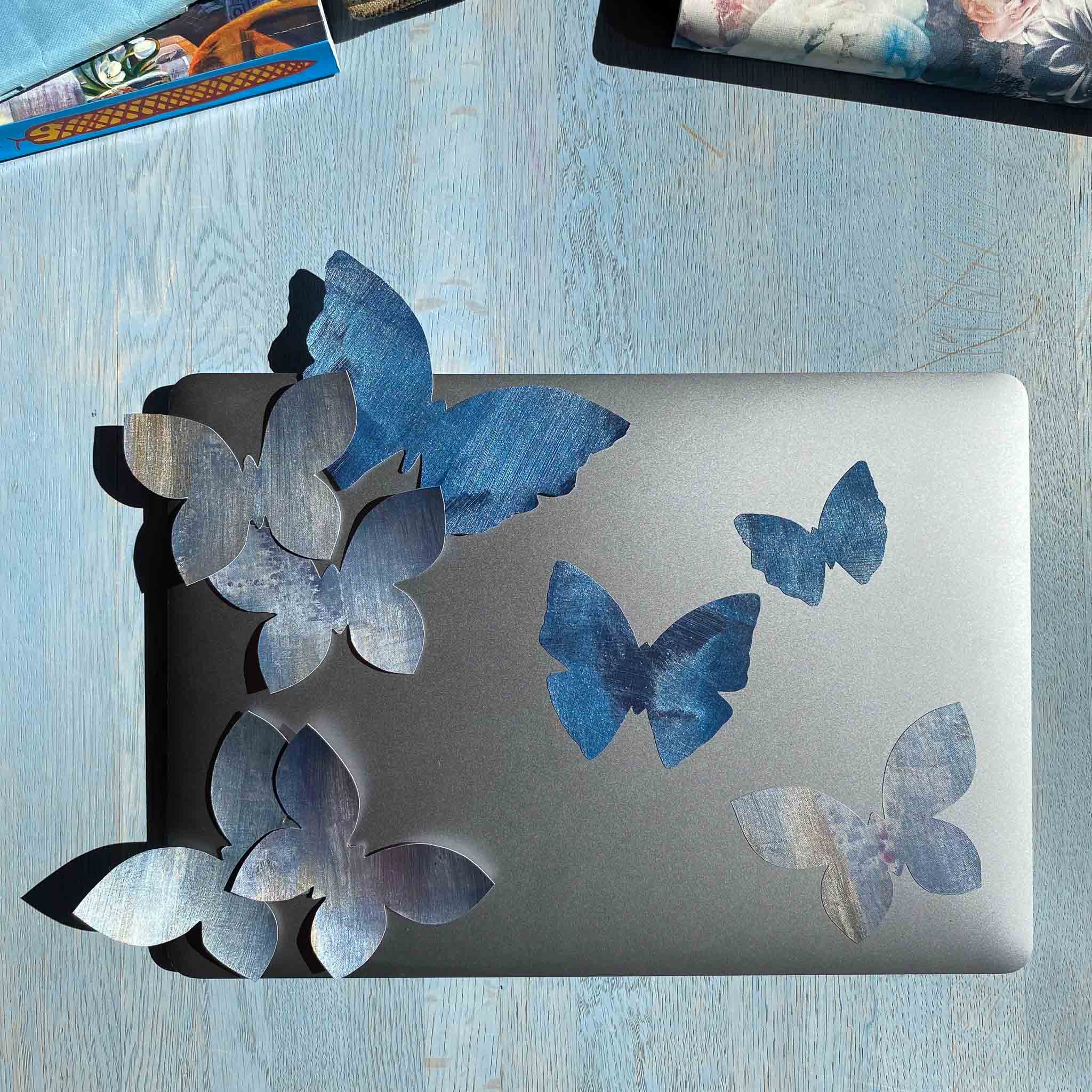
Peel-and-stick pieces go up dry. You peel the backing, position the piece, and press it onto a clean wall. There's no paste to mix and no drying time, and mistakes are forgiving — a repositionable adhesive usually lets you lift a piece and move it within the first hour or so, before the bond fully sets. This is also why peel-and-stick suits individual motifs and murals built from separate pieces so well: you're not wrestling a 10-metre strip of pasted paper on your own.
Damage risk and getting your deposit back
Traditional wallpaper paste bonds to the wall's paint or plaster, and removing it usually means scoring the surface, soaking it, and scraping. It's common to pull paint off with it, or leave enough residue that the wall needs a skim coat before repainting — a repair, or a deposit dispute.
Our peel-and-stick decorations, applied to a properly painted, fully cured wall, come off clean when removed with reasonable care — no patching plaster afterward. That's not a small distinction.

Shop the look
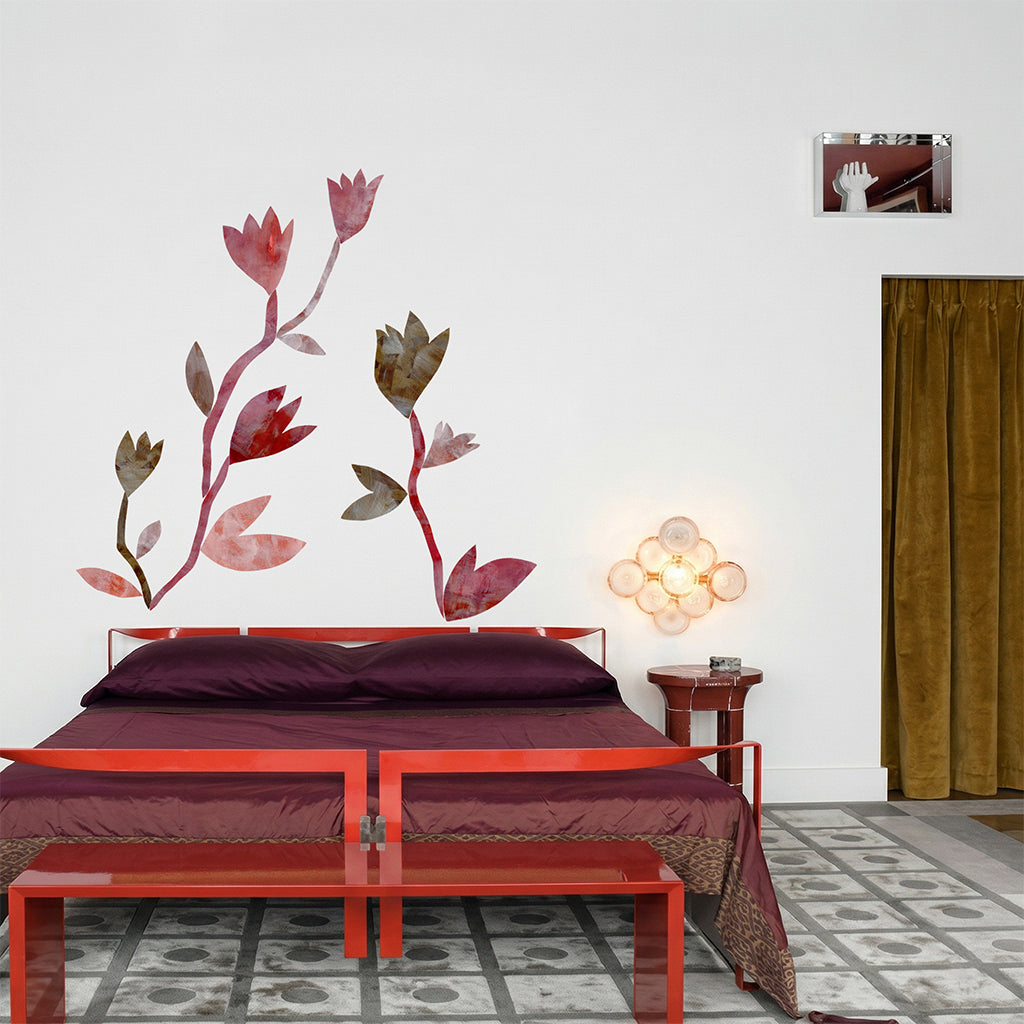
TULIP wallpaperA set of 5 large hand-painted tulips you arrange freely as an accent wall or cabinet decor, so you can test a bold pattern without committing to a full roll — from 1500 DKK
So which one is actually right for you?
Choose traditional wallpaper if you own the space, want one pattern covering an entire large room edge-to-edge, and aren't planning to change it for a decade or more. Choose peel-and-stick if you rent, want to test a design before fully committing, need the wall to go back to blank without a trace, or you're decorating in stages, rather than papering a whole room at once.