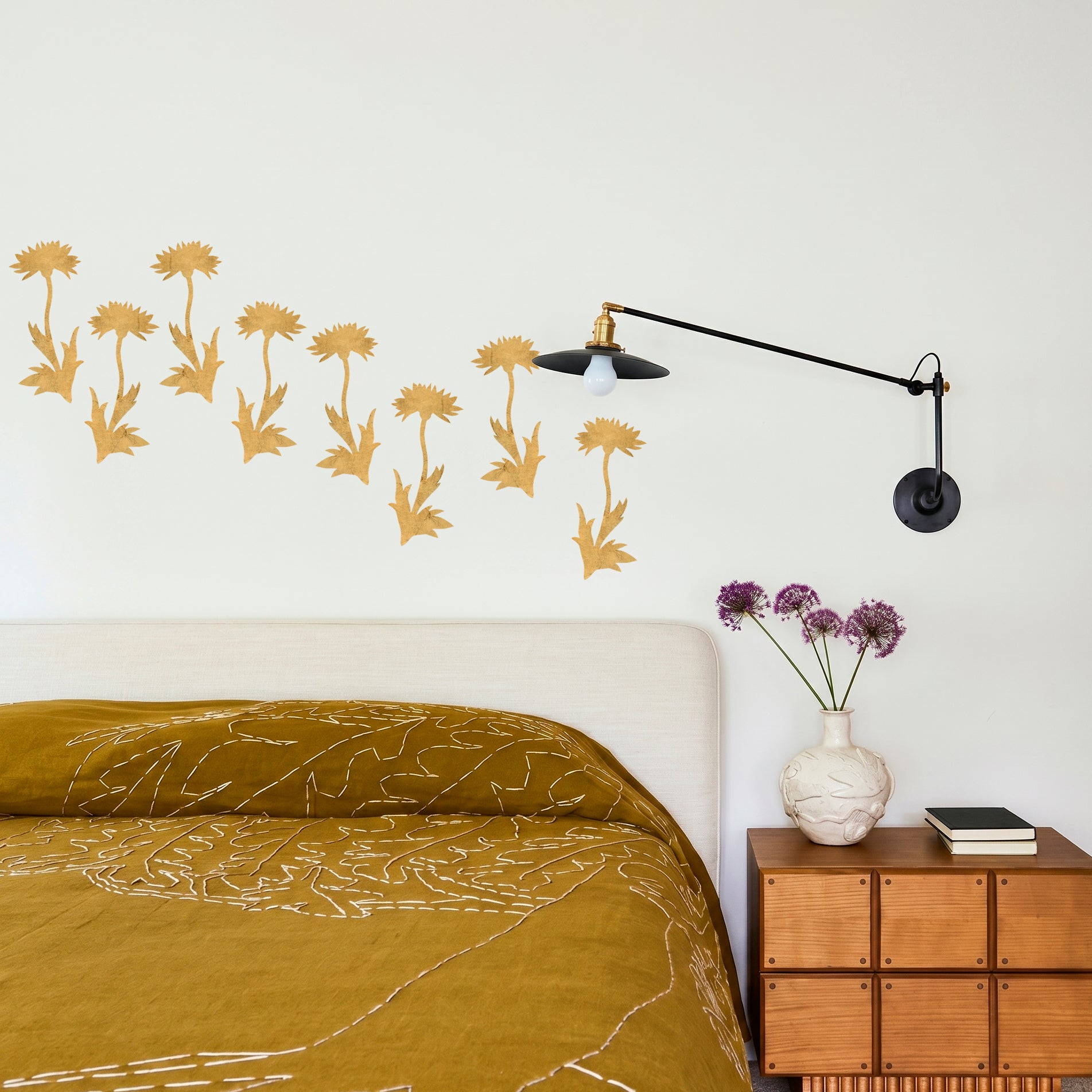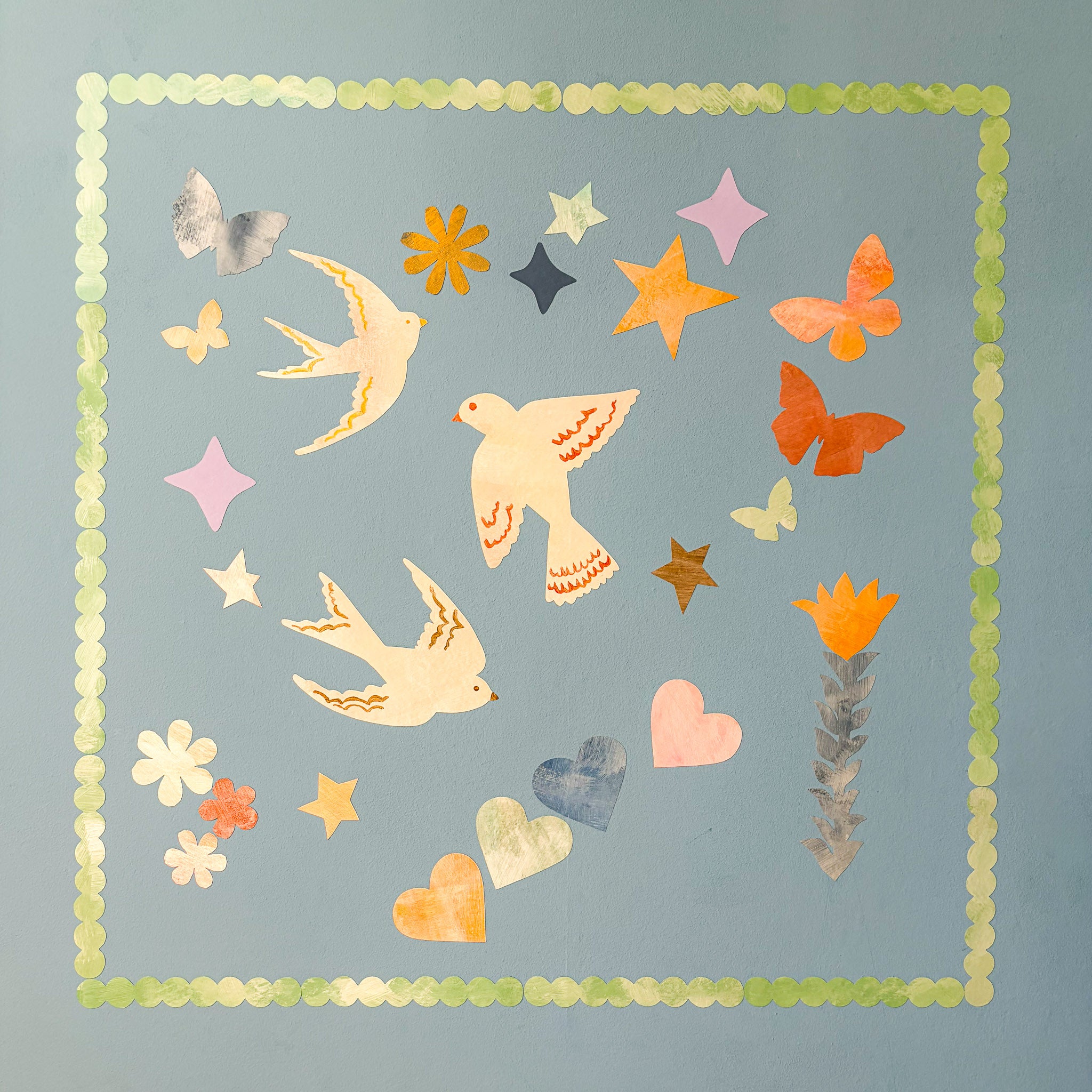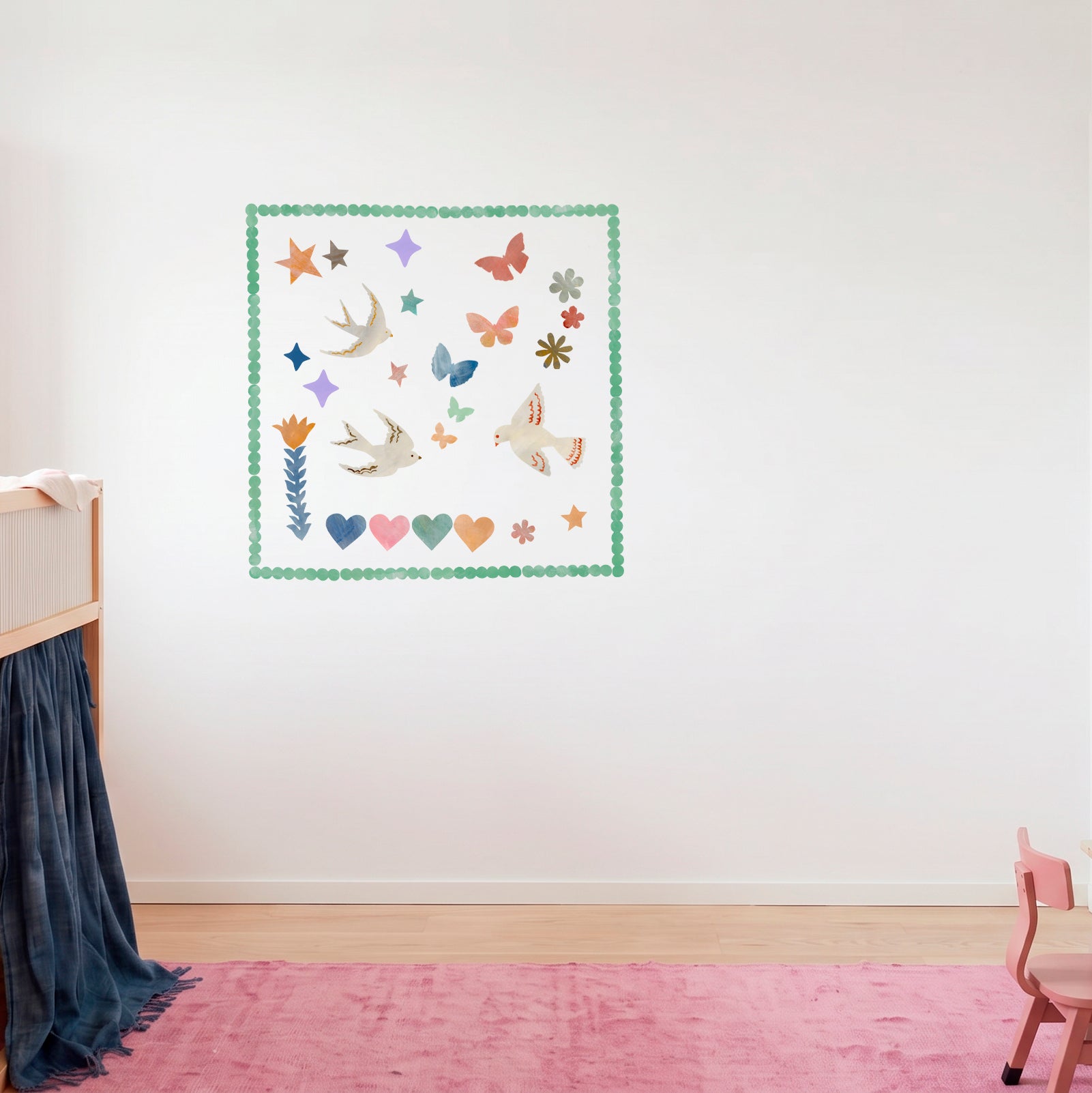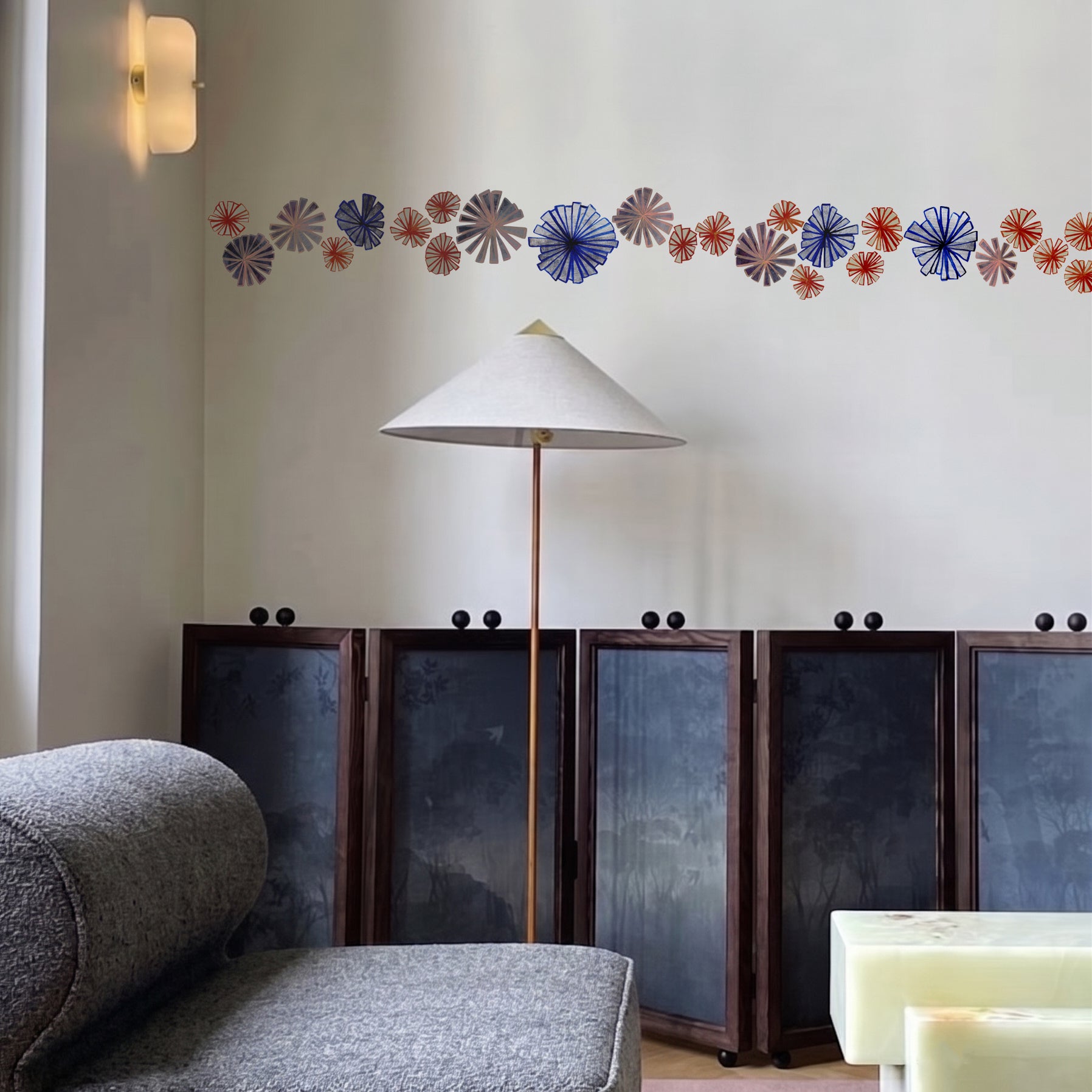

Properly applied and removed on the right wall, peel-and-stick wallpaper does not damage paint. The honest answer is that damage risk depends far more on your wall's condition than on the product itself.
When it's very unlikely to cause damage
You're in good shape if your wall is painted with a standard sheen, the paint has been fully cured for at least 3-4 weeks, and the surface is smooth rather than textured. On a wall like that, a self-adhesive textile wall decoration bonds to the paint film itself, not to the wall underneath, and lifts off cleanly because the paint is stronger than the adhesive.
When damage becomes a real possibility
Three situations account for almost every "it ripped my paint off" story:
- Freshly painted walls. Paint keeps curing for weeks after it looks dry. Anything applied too early can bond to soft paint that hasn't finished setting, and removing it later can take a layer of paint with it.
- Wallpaper over wallpaper. If your wall already has old wallpaper on it, a self-adhesive wall sticker can bond to that top layer rather than the wall, and pulling it off can take the old wallpaper's surface with it.
- Rushed removal. Yanking peel-and-stick wallpaper or a wall sticker off fast, straight out from the wall, is the single most common cause of paint damage — regardless of how good the adhesive is. Removal technique matters as much as material.
How to remove it without damage
Peel slowly, at a low angle — closer to parallel with the wall than perpendicular to it — working from one corner rather than pulling from the middle. If you feel resistance, stop and go slower rather than pulling harder. On PVC-free textile wall stickers, this alone accounts for most successful clean removals. If a very faint mark remains, a little warm water and mild soap on a soft cloth usually clears it; avoid solvents or abrasive scrubbing, which can damage the paint more than the decal ever would have.
A low-commitment way to test your wall first
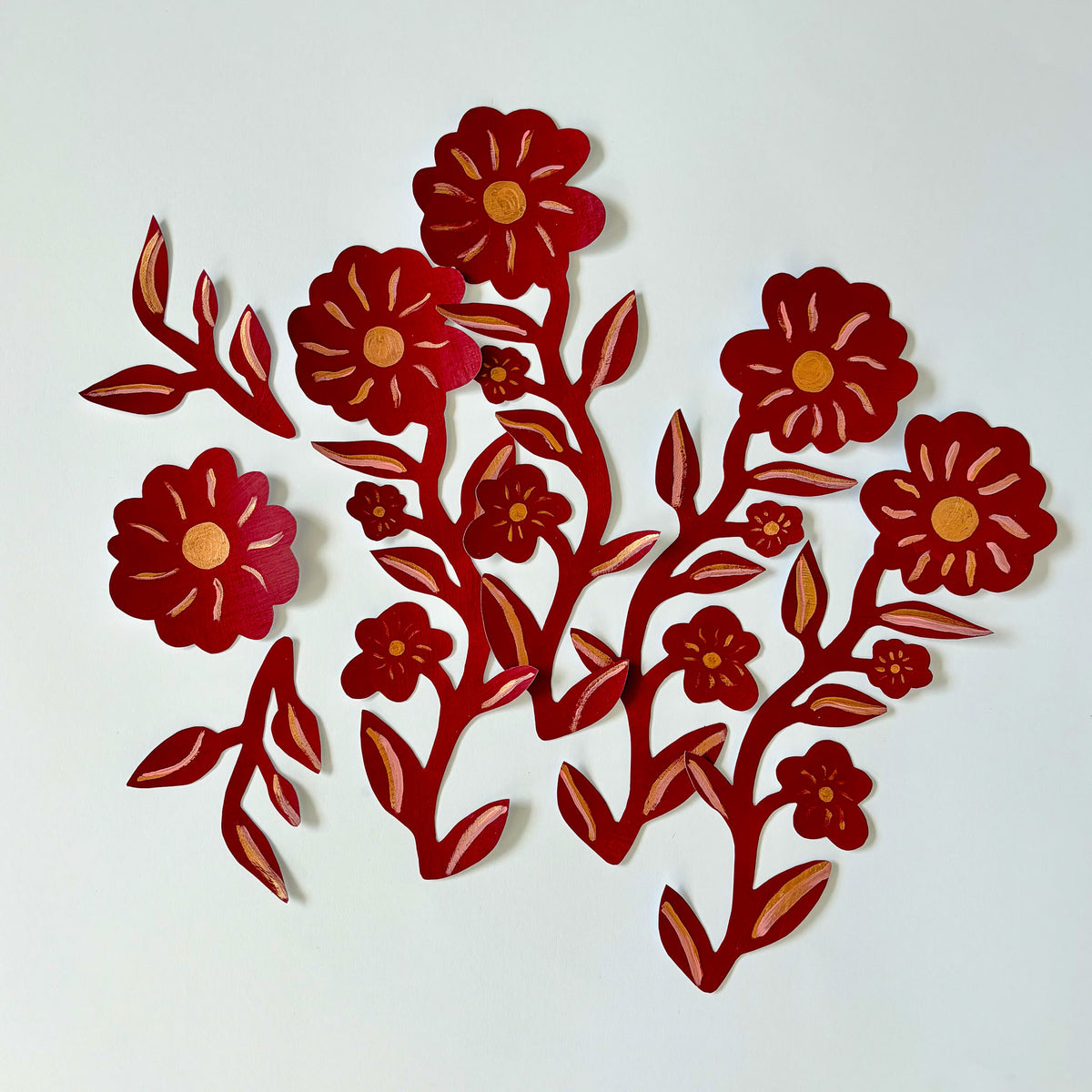
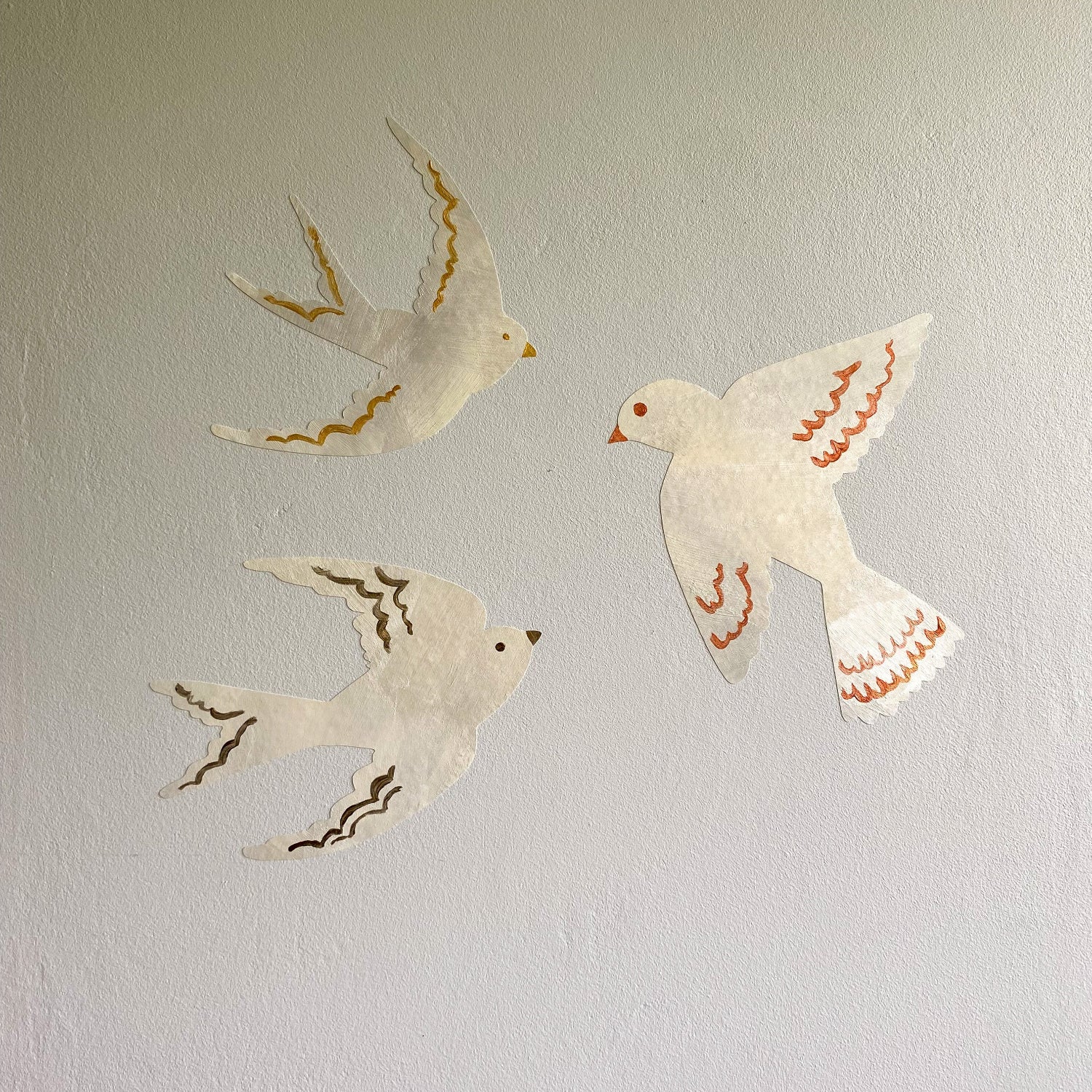
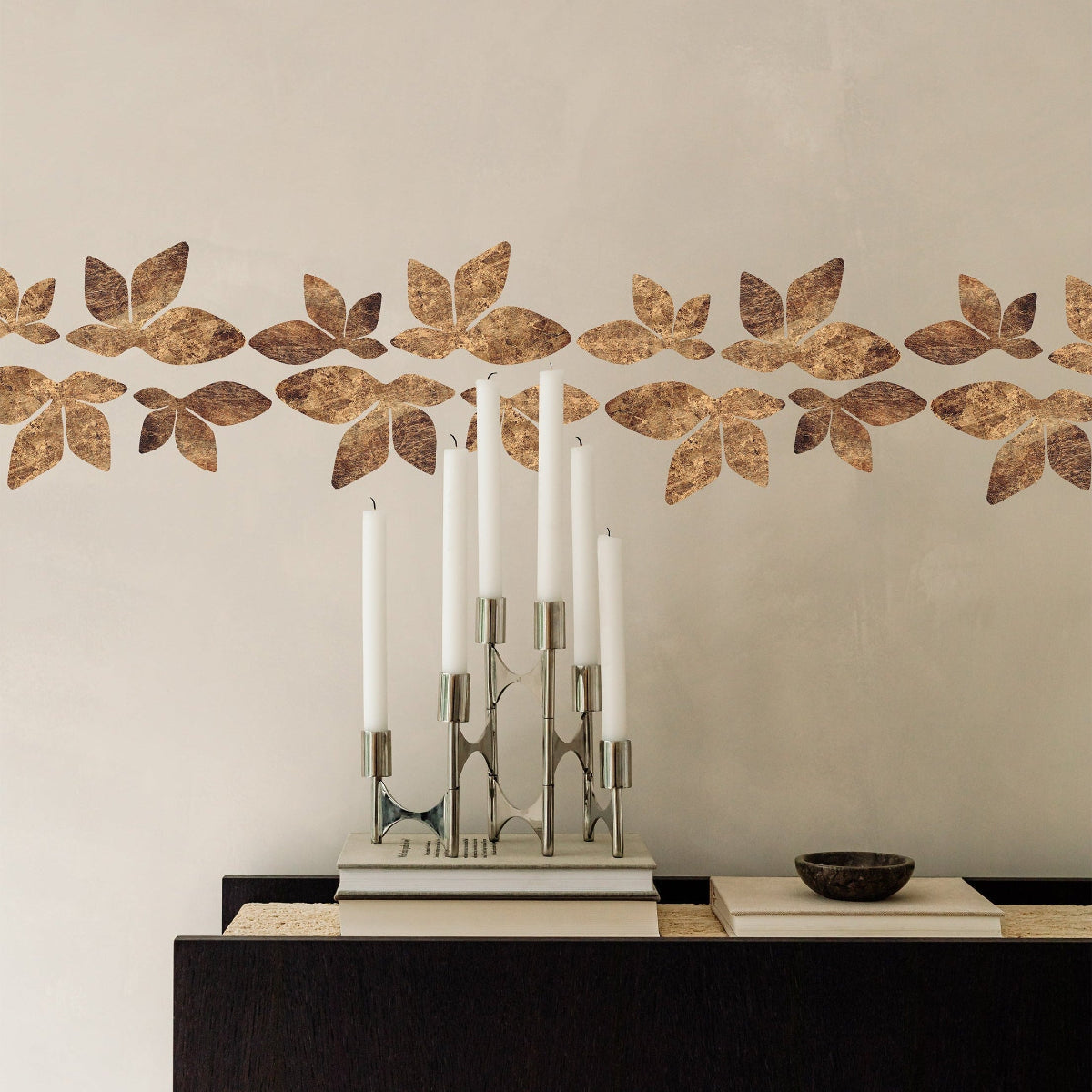
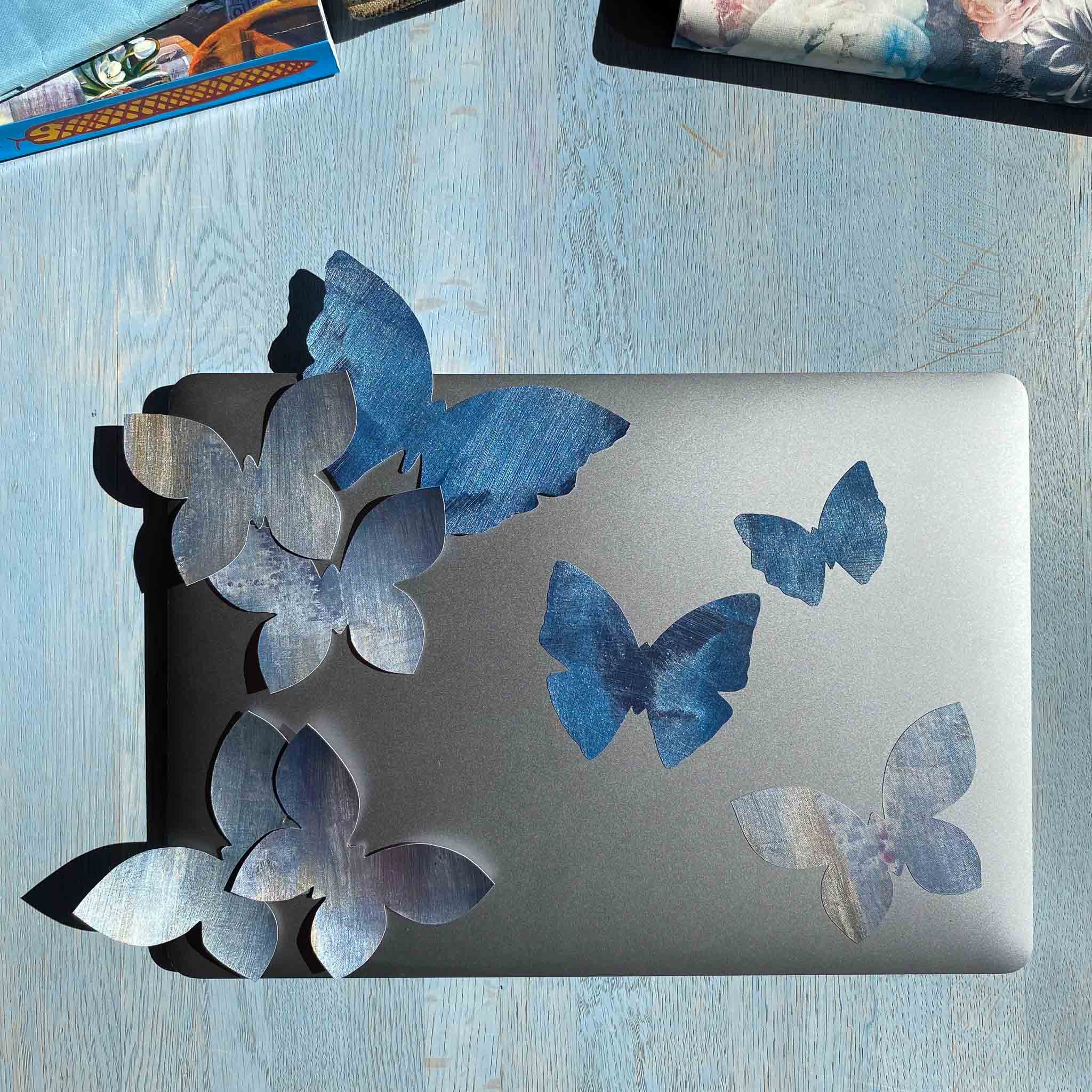
Every order comes with test wall stickers, so you can try your surface first. If your wall turns out to have more texture than expected, you can still return your order or find a better spot for the decor — or, if the wall itself is too textured, apply it to a door or ceiling instead. Another trick for getting a wall sticker to grip better is to apply it to the wall, then warm it for 10 seconds with a hairdryer. The heat activates the adhesive, so you can press the wall sticker firmly into place. Our wall stickers are made from textile wallpaper hand-painted with artist-quality acrylic paint, giving them a sturdy surface that holds up to light scrubbing or pressing, and to a damp cloth.

Shop the look
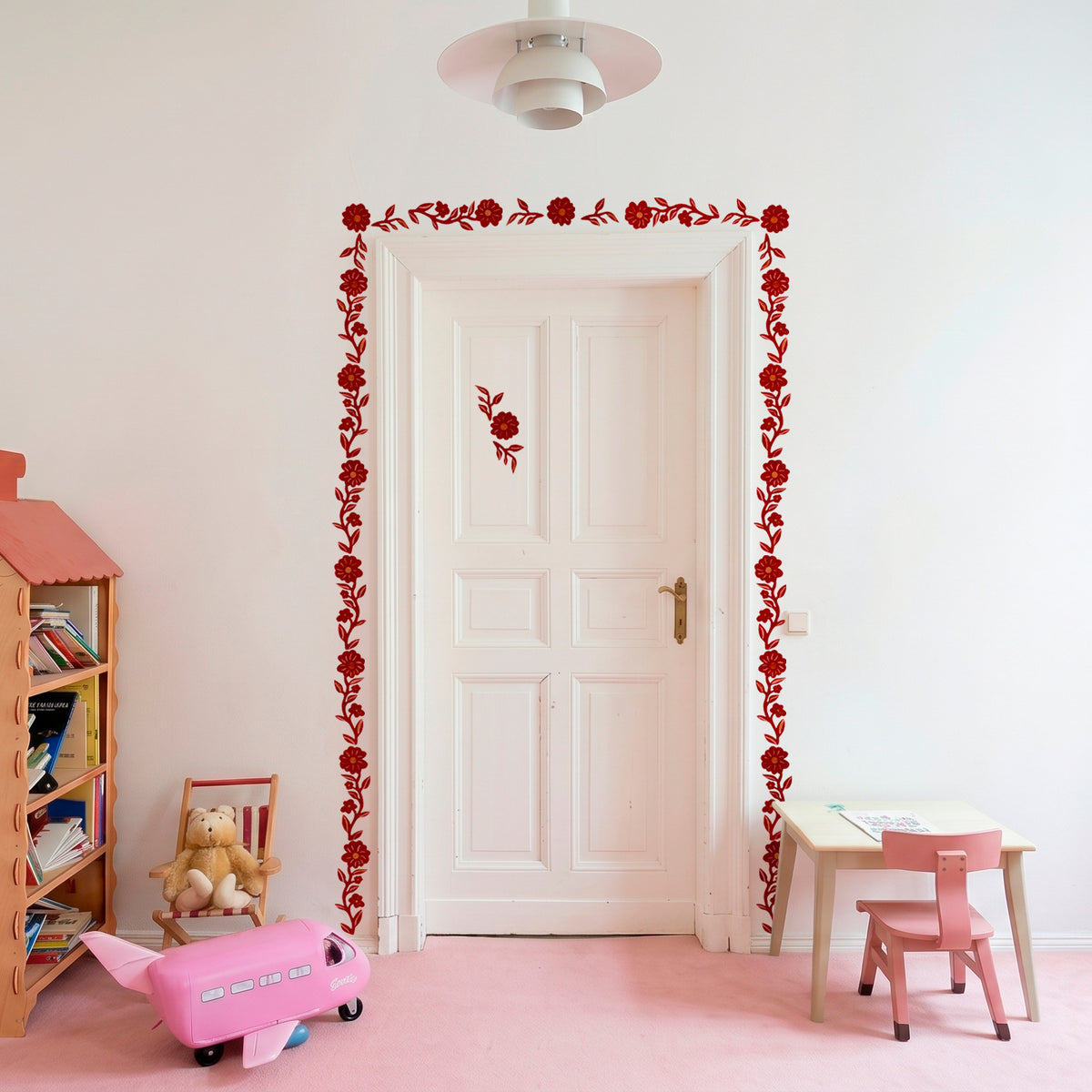
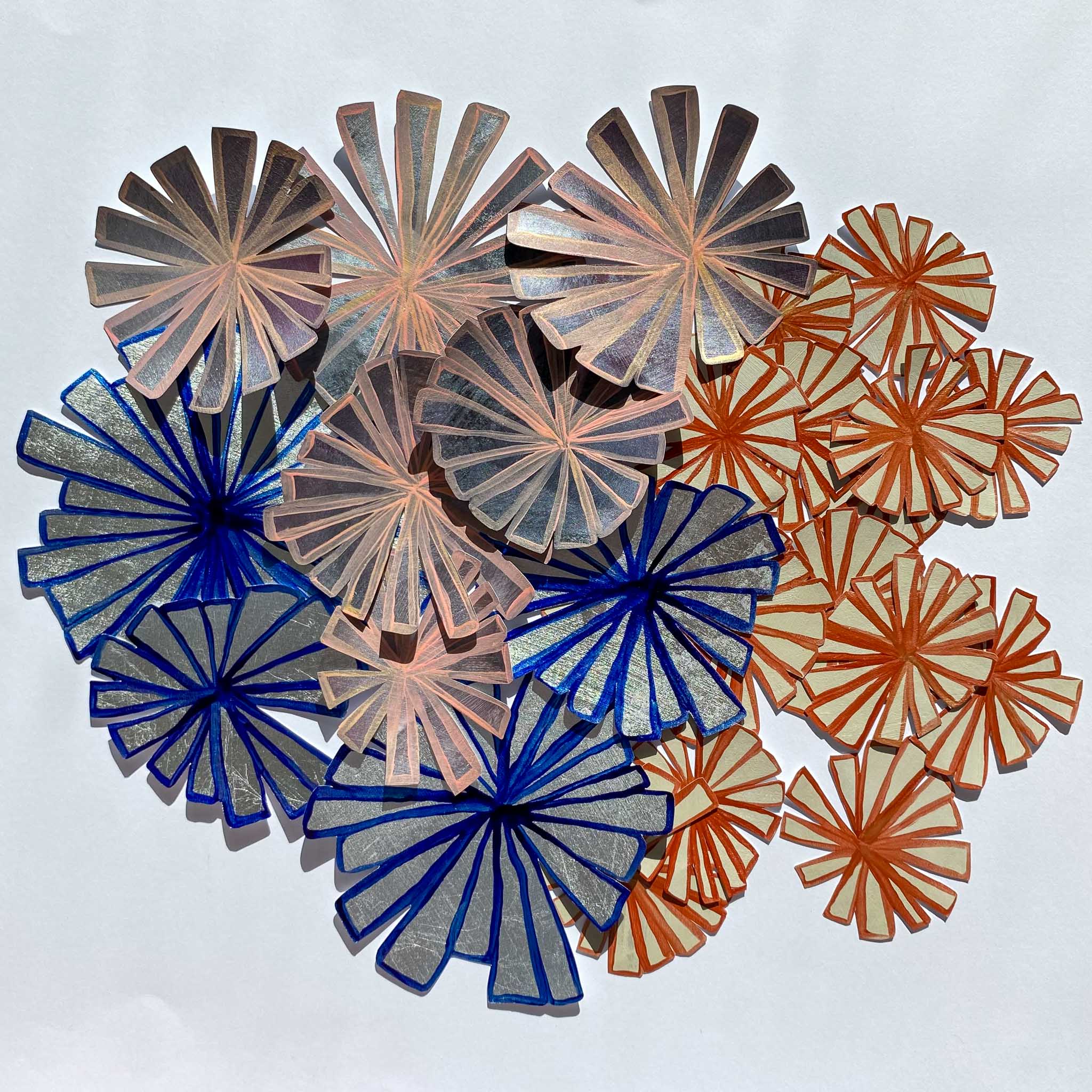
CIRCLE wallpaper border16 hand-painted circles, 7.5cm each, forming 120-240cm of border depending on spacing — a small, low-risk way to test how peel-and-stick wallpaper behaves on your wall before you go bigger — from 175 DKK
The material matters too
Not all peel-and-stick products are built the same. PVC vinyl decals tend to grip harder over time and are more likely to leave a sticky outline after months on the wall. Self-adhesive PVC-free textile wallpaper — a fabric-backed material rather than plastic film — is designed to stay repositionable and release cleanly even after long-term use, which is a meaningful difference if you know you'll be removing it eventually rather than leaving it up forever.
What to do if you're still nervous
If you've inherited a wall you don't know the history of — a rental where you never watched it get painted, or an older home where you're not sure what's underneath — the safest move is a small test patch in an inconspicuous spot before you commit to a full wall. It costs you nothing but a week's wait, and it turns "I hope this works" into "I already know this works."
The honest bottom line
On a normal, cured, painted wall, with a slow low-angle removal, Tonka Papers peel-and-stick wallpaper should not damage your paint. The exceptions are predictable and avoidable: don't apply it to paint less than a month old, don't apply it over existing wallpaper, and don't rush the removal. If you control those three things, the "will it ruin my wall" worry mostly disappears.